


Supplements vs. Medical Treatments: What Actually Works for Hair Loss?

When hair starts to thin or fall out, it’s natural to search for answers—and fast. A quick online search will lead you to shelves full of vitamins, gummies, oils, and “miracle” solutions. But which ones actually work? And how do they compare to medically backed treatments?
At American Mane, we believe in education-first care. So let’s break down the facts behind supplements vs. medical treatments and help you decide what’s right for your hair restoration journey.

🧪 The Science Behind Hair Loss
Before choosing a treatment, it helps to understand why hair loss happens. Common causes include:
Genetics (like male or female pattern baldness)
Hormonal imbalances
Nutritional deficiencies
Stress or autoimmune conditions
Poor scalp circulation or damage
Your treatment plan should be based on what’s actually causing your hair loss, not just a general guess.
🥬 Supplements: Support, Not a Cure
Hair supplements often include nutrients like:
Biotin
Vitamin D
Zinc
Iron
Collagen
Omega-3 fatty acids
These nutrients do play a role in hair health—but only if you’re deficient. For example, someone with low iron levels may experience hair shedding, and supplementing with iron could help. However, for most people, taking extra biotin won’t reverse hereditary hair loss.
When Supplements Help:
You have a diagnosed deficiency
You're recovering from surgery (supporting healing)
You want to improve overall scalp/hair quality
As part of a preventive or maintenance routine
When They Don’t:
You have genetic hair loss
You expect them to regrow hair on bald spots
You’re skipping medical evaluation
In short, supplements support hair health—but they rarely address root causes alone.
💉 Medical Treatments: Evidence-Based Solutions
Medical treatments target the actual mechanisms behind hair loss. Some of the most effective include:
1. Minoxidil (Rogaine®)
A topical vasodilator that increases blood flow and extends the growth phase of hair. Available over the counter.
2. Finasteride (Propecia®)
A prescription pill that blocks DHT, the hormone that causes follicle shrinkage in androgenetic alopecia. Best for men.
3. PRP (Platelet-Rich Plasma) Therapy
Involves drawing your blood, concentrating platelets, and injecting them into the scalp to stimulate hair regrowth naturally.
4. Hair Transplant Surgery
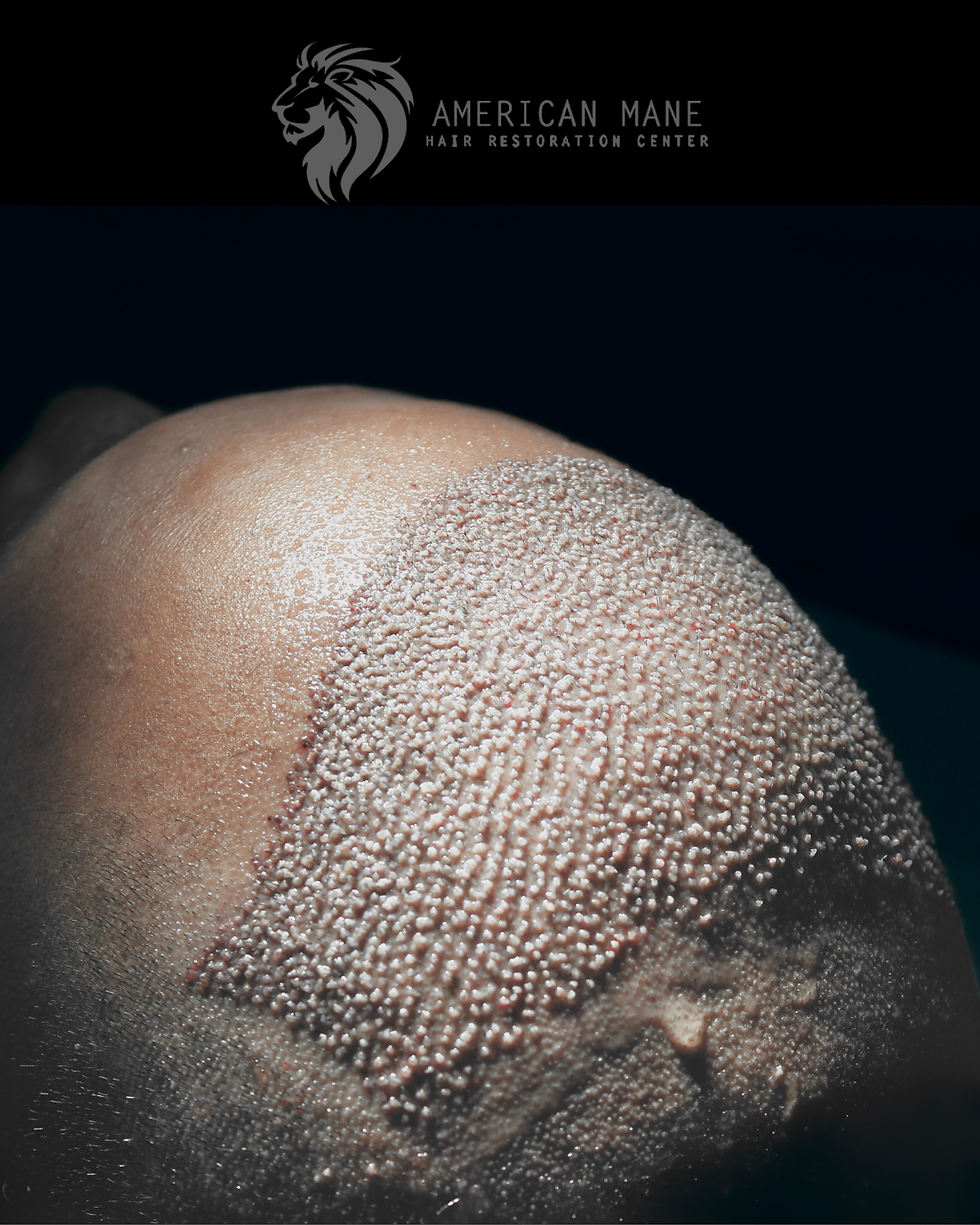
A permanent solution where healthy follicles are moved to thinning or bald areas. At American Mane, we specialize in manual FUE transplants crafted by hand for natural, long-lasting results.
5. Low-Level Laser Therapy (LLLT)
FDA-cleared lasers that stimulate hair follicles, improve blood flow, and reduce inflammation.
So, What Actually Works?
Here’s the truth: there’s no one-size-fits-all answer. Supplements may support hair health, but medical treatments are more effective for reversing and restoring hair loss.
In many cases, the most powerful approach is a combination of both—supplements for internal support, medical therapy for external results, and lifestyle adjustments to protect long-term outcomes.
What We Do at American Mane
We offer personalized consultations to assess your scalp, hair history, and medical profile. Based on your goals, we may recommend:
Lab testing for deficiencies
Prescription or in-clinic therapies
Natural supplements for recovery or daily support
Full transplant planning with post-op regrowth programs
Whether you’re dealing with early-stage thinning or advanced hair loss, we help you build a strategy based on facts, not fads.
Final Thoughts
Supplements can help, but they’re not a cure. If you’re serious about reversing hair loss and protecting your long-term confidence, it’s time to explore solutions that get to the root of the issue.
Book your free consultation with American Mane and get a tailored plan that works for you inside and out.


Comments