


How to Sleep After a Hair Transplant Without Disturbing Your Grafts

You’ve just invested in yourself with a hair transplant, and now the restoration journey begins. One of the most critical and often overlooked aspects of your recovery is your sleep. A good night’s rest doesn’t just recharge you; it protects your grafts and keeps your progress on track.
Here’s your complete guide to sleeping right after your transplant so you wake up confident—and graft‑safe.
Why Sleeping Properly Matters
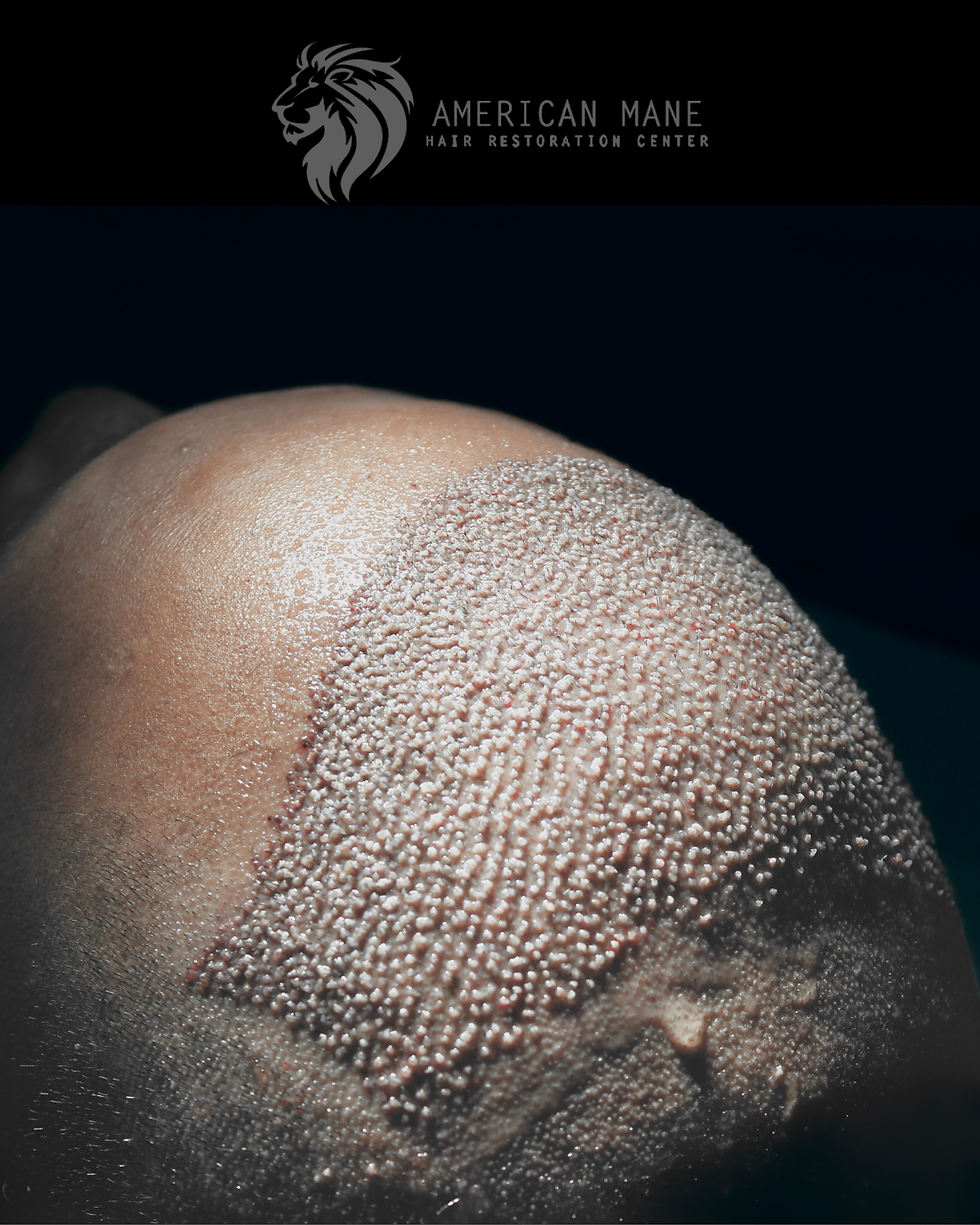
Your new grafts need stability. During the early days post‑procedure, your follicles are anchoring into your scalp. Pressure, friction, or even restless movement can dislodge grafts or irritate the healing area. Good sleep habits protect your investment and support the growth phase ahead.
The First Week: Elevated & Gentle
In the first 7 nights after surgery, you should:
Sleep with your head elevated at about a 30‑45° angle, use a stack of pillows or a specially designed travel neck pillow.
Sleep on your back, avoiding side or stomach sleeping to keep weight off the transplanted area.
Keep the bed surface clean and use breathable, clean pillowcases.
Avoid heavy blankets or any head coverings that might press into your grafts overnight.
Weeks 2–4: Stability & Routine
As your scalp heals, maintain these habits:
Continue elevated sleeping for as long as swelling, redness, or discomfort persist.
If you must roll or shift in your sleep, do so slowly and mindfully. Avoid abrupt movements.
Months 1–3: Transitioning to Normal Sleep
You’re healing and growth are beginning, but your grafts are still vulnerable. At this stage:
You may reduce elevation gradually once your doctor clears you—but still avoid putting direct pressure on the transplanted scalp.
You can begin to resume more normal pillows, but avoid firm headrests or anything that presses onto the graft zone.
Be mindful of chlorine, heat, and sweat (gym sessions, saunas) before bed they can irritate the scalp and affect sleep quality and graft stability.
When to Contact Us
While some numbness, mild itchiness, or minor swelling is expected, you should reach out if you experience:
Significant redness, heat, or pus in the graft area
Pain that doesn’t improve with your prescribed care
A sudden, large area of graft loss
Signs of infection or allergic reaction
Our team at American Mane is available to guide you, even in those early nights when you’re sleeping differently than usual.
How you sleep after your transplant matters, maybe more than you realized. It’s not just about resting; it’s about protecting your grafts, supporting your new follicles, and ensuring your transformation goes as smoothly as possible.
Start your sleep routine right, and your grafts can rest, heal, and grow into the fuller, natural hairline you’re building.


Comments