


Shock Loss After a Transplant: What You Should Know

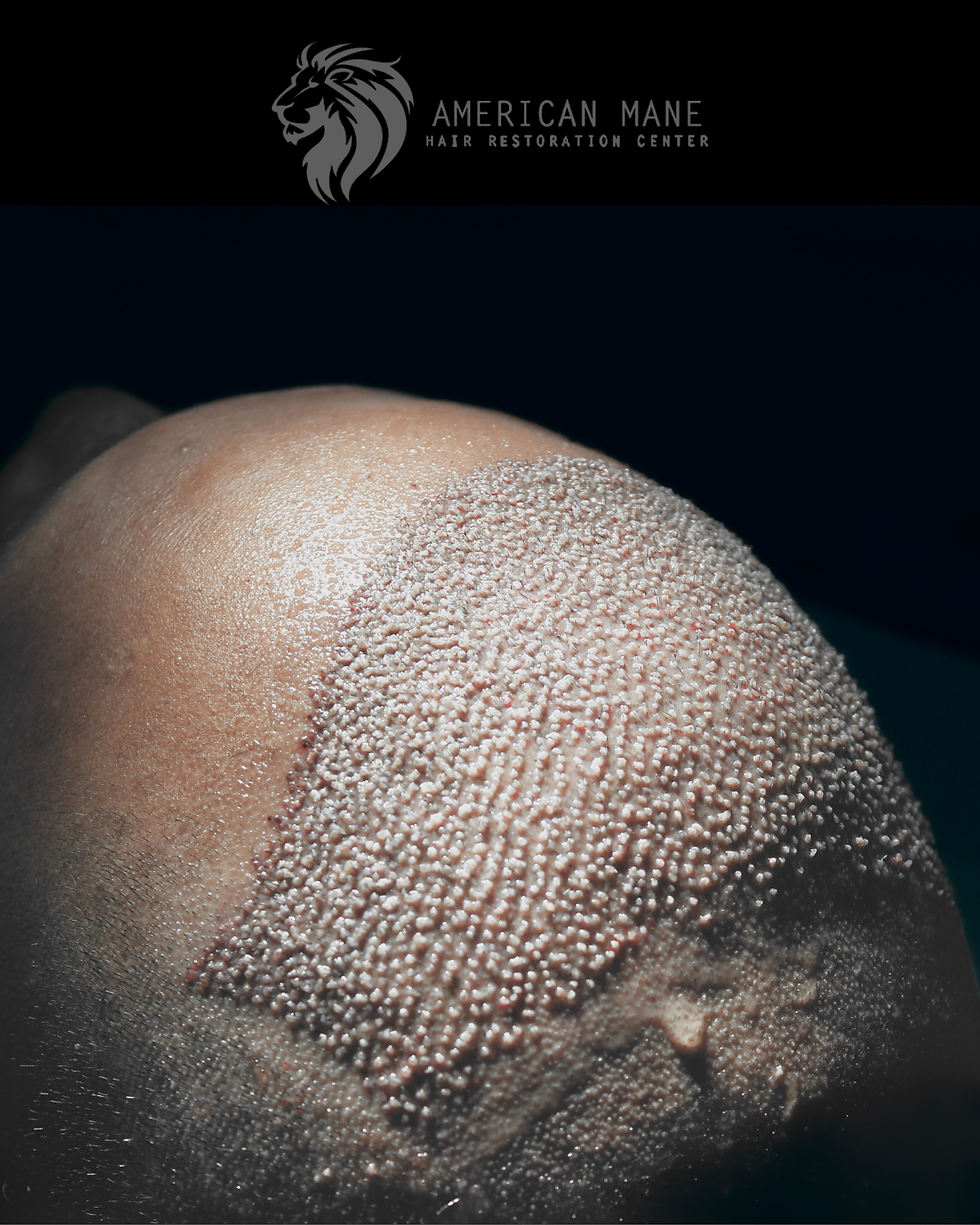
You finally got your hair transplant, and everything seems to be healing well, until suddenly, a few weeks later, you notice more hair falling out. Naturally, this can feel alarming. But in many cases, what you’re experiencing is completely normal and temporary.
This process is called shock loss, and it’s one of the most common parts of hair transplant recovery.
At American Mane, we make sure every patient understands what to expect so they can recover with confidence and peace of mind.

What Is Shock Loss?
Shock loss refers to temporary hair shedding that can happen after a hair transplant. It usually affects:
• Newly transplanted hairs
• Existing native hairs near the transplant area
• Sometimes, even hairs in the donor area
This shedding happens because the scalp and follicles go through temporary stress after surgery.
The important thing to understand is this: in most cases, the follicles themselves are still healthy. The hair falls out, but the follicle remains alive underneath the skin.
When and Why Does Shock Loss Happen?
Shock loss typically begins between 2 and 8 weeks after surgery
This timing often surprises patients because the scalp may already look healed externally.
A hair transplant places the scalp under stress, even when performed carefully. The follicles temporarily enter a resting phase before beginning new growth.
This is part of the normal hair growth cycle.
Factors that may contribute to shock loss include:
• Surgical trauma to the scalp
• Swelling and inflammation
• Existing weak or thinning hairs
• Genetics and sensitivity to DHT
• Stress during recovery
Is Shock Loss Permanent?
In most cases, no.
The majority of patients regrow the shed hair over the following months as the follicles re-enter the growth phase.
Typical regrowth timeline:
• Months 1–2: shedding phase
• Months 3–4: early new growth begins
• Months 6–9: noticeable improvement
• Months 12+: fuller final results
Patience is extremely important during this stage.
Final Thoughts
Shock loss can feel stressful, especially when you’ve just invested in your hair restoration journey. But in most cases, it’s a temporary and expected part of the process.
Think of it as the scalp resetting before new growth begins.
At American Mane, we guide patients through every phase of recovery so they know what’s normal, what to expect, and when to trust the process.
Have questions about your recovery or hair transplant timeline? Schedule a consultation with American Mane and let our team help you every step of the way.


Comments