


Gym Supplements and Hair Loss: Can Creatine, Protein Powder, or Pre-Workout Cause Hair Thinning?

You work hard at the gym, follow your workout routine, and take supplements to support muscle growth and performance. But what if you start noticing more hair in the shower or a receding hairline? Could your gym supplements be responsible?
Creatine, protein powders, pre-workout formulas, and muscle-building supplements are popular among fitness enthusiasts. However, concerns about their potential connection to hair loss have raised questions about which products are safe for your hair.
At American Mane in Aventura, Florida, we understand that maintaining your hair can be just as important as maintaining your physique. Let's explore what science says about gym supplements, hair thinning, and the factors that actually influence hair loss.
Does Creatine Cause Hair Loss?
Creatine is one of the most widely used supplements for improving strength, exercise performance, and muscle development. However, it has also become one of the most discussed supplements when it comes to hair loss. The concern comes from a small study published in 2009 that found increased levels of dihydrotestosterone (DHT) in rugby players taking creatine. DHT is a hormone associated with androgenetic alopecia, also known as male pattern baldness, in genetically susceptible individuals.
However, an increase in DHT does not automatically mean someone will experience hair loss, and the original study did not measure hair loss directly. More recently, a 2025 randomized clinical trial examined the effects of creatine supplementation on hair health. Researchers followed resistance-trained men taking creatine or a placebo for 12 weeks and found no significant differences in DHT levels, hair density, or other measured hair growth parameters between the groups.
Although additional long-term research would be valuable, current evidence does not establish that creatine causes hair loss.
Can Protein Powder Cause Hair Thinning?
Protein is essential for healthy hair because hair is primarily made of keratin, a structural protein. Getting enough protein supports normal hair growth and overall health.
Common protein supplements, including whey protein, casein, and plant-based protein powders, are not established causes of hair loss when consumed as part of a balanced diet.
In fact, inadequate protein intake can contribute to hair shedding, particularly in people following restrictive diets or experiencing rapid weight loss. However, not all protein supplements contain the same ingredients. Some muscle-building products include additional substances marketed as hormone boosters or performance enhancers.
If you're experiencing unexpected hair thinning, it's worth reviewing the complete ingredient list rather than assuming the protein itself is responsible.
What About Pre-Workout Supplements?
Pre-workout supplements are designed to increase energy, focus, and exercise performance. Many contain caffeine, amino acids, and other ingredients intended to support training. Currently, there is limited evidence that standard pre-workout supplements directly cause permanent hair loss. However, products containing high amounts of stimulants may interfere with sleep or contribute to unwanted side effects in some individuals.
Sleep, stress management, and adequate nutrition are all important for overall health, including the normal functioning of hair follicles.
If you're experiencing hair thinning while regularly using pre-workout supplements, consider reviewing the ingredients and discussing your concerns with a healthcare professional.
Can Testosterone Boosters and Muscle-Building Products Affect Hair Loss?
Not all gym supplements are the same. Products marketed as testosterone boosters, anabolic agents, or hormone-enhancing supplements deserve particular attention, especially for individuals with a family history of male pattern baldness.
DHT plays an important role in androgenetic alopecia, a condition in which genetically sensitive hair follicles gradually become smaller and produce thinner hair.
Anabolic steroids and other androgenic substances can accelerate hair loss in susceptible individuals. However, this does not mean that every supplement marketed as a testosterone booster increases DHT or causes baldness. Some products may also contain undisclosed or poorly studied ingredients, making it difficult to understand their potential effects.
Before taking hormone-related performance products, it's important to understand their risks and consult a qualified medical professional.
Can Too Many Vitamins Cause Hair Loss?
Many people take multivitamins alongside their gym supplements, believing that additional nutrients will improve muscle recovery, energy, and hair growth. However, more vitamins do not always mean healthier hair. Excessive intake of certain nutrients, including vitamin A and selenium, has been associated with hair loss. Combining multiple supplements can sometimes lead to unintentionally consuming more than the recommended amounts. On the other hand, deficiencies in nutrients such as iron, zinc, or protein can also contribute to hair shedding.
The key is balance. Supplements may be beneficial when addressing a confirmed nutritional deficiency, but taking unnecessary high doses is not a guaranteed way to improve hair growth.
How Can You Protect Your Hair While Staying Active?
You don't necessarily need to give up your fitness goals to maintain healthy hair.
Maintaining a balanced diet, consuming enough protein and calories, getting adequate sleep, and avoiding unnecessary hormone-related products can support your overall health.
It's also important to pay attention to changes in your hair. If you notice progressive thinning, a receding hairline, or unusual shedding, an early evaluation can help identify the underlying cause. For patients experiencing genetic hair loss, treatments such as minoxidil, finasteride, or other medically appropriate options may help manage the condition.
If significant hair loss has already occurred, a hair transplant may be an option for suitable candidates.
Can a Hair Transplant Restore Hair Lost Due to Genetics?
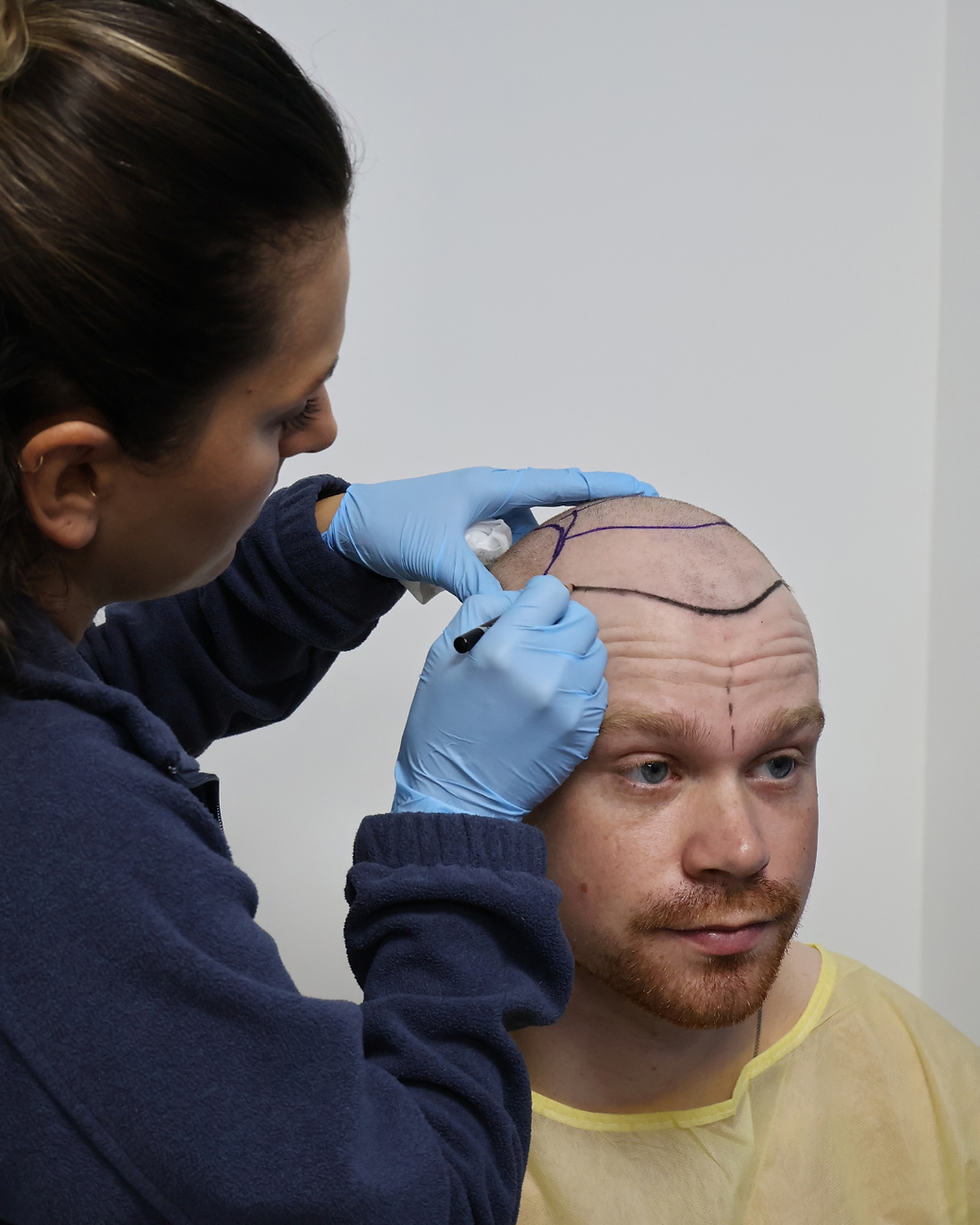
When hair loss is caused by androgenetic alopecia, some follicles gradually become smaller and may eventually stop producing visible hair. For appropriate candidates, a hair transplant can redistribute healthy follicles from the donor area to regions affected by hair loss.
At American Mane, we specialize in Manual FUE (Follicular Unit Extraction), a technique that allows our team to carefully extract individual follicular units and plan their placement according to each patient's hair characteristics and restoration goals.
However, a hair transplant does not stop genetic hair loss from progressing in untreated areas. That's why long-term planning and appropriate medical treatment can be important parts of a comprehensive hair restoration strategy.
Final Thoughts: Can You Build Muscle Without Losing Your Hair?
The relationship between gym supplements and hair loss is more complicated than many online discussions suggest. Current research does not establish that creatine, standard protein powders, or typical pre-workout supplements directly cause permanent hair loss. However, anabolic steroids, certain hormone-related products, excessive nutrient intake, and nutritional deficiencies can affect hair health.
For many people, genetics remains the primary factor behind progressive hair thinning.
If you're experiencing hair loss, understanding the cause is more important than automatically blaming your workout supplements. At American Mane, we help patients explore personalized hair restoration options based on their hair loss patterns, donor availability, and long-term goals.
Worried About Hair Loss? Let's Talk About Your Options!
Whether you're noticing early thinning, a receding hairline, or more advanced hair loss, our team at American Mane in Aventura can help you understand your hair restoration options.
🌐 Visit our website: https://www.americanmane.com
📅 Schedule your FREE consultation: https://shorturl.at/Qtkg6
Scientific References
1. Lak et al. (2025) – Does Creatine Cause Hair Loss? A clinical trial found no significant effects of creatine on DHT levels or hair growth measurements over 12 weeks. Read Study
2. Van der Merwe et al. (2009) – Creatine Supplementation and DHT Levels. An earlier study reported increased DHT levels but did not measure hair loss. Read Study
3. American Academy of Dermatology – Hair Loss: Tips for Managing. Explains how nutritional deficiencies and excessive supplementation can contribute to hair loss. Read Article
4. National Institutes of Health (NIH) – Selenium Fact Sheet. Explains how excessive selenium intake can contribute to hair loss. Read Article


Comments