


How Sleep Impacts Hair Growth

We all know that getting enough sleep is important for our health, but did you know that your sleeping habits may also affect your hair?
While you're resting, your body performs essential functions that support tissue repair, hormone regulation, and overall health. These processes also help maintain a healthy environment for your hair follicles. At American Mane, a hair restoration clinic in Aventura, Florida, we believe understanding the connection between sleep and hair health can help patients make better decisions about their hair restoration journey.

What Happens to Your Hair While You Sleep?
Hair grows in a natural cycle consisting of three main phases: anagen (growth), catagen (transition), and telogen (resting). These phases are influenced by genetics, hormones, nutrition, and overall health.
During sleep, your body regulates hormones and supports cellular repair. Although hair doesn't necessarily grow faster at night, getting adequate rest helps maintain the biological processes that contribute to healthy hair growth.
Consistently poor sleep may disrupt some of these processes, potentially affecting the health of your scalp and hair over time.
Can Lack of Sleep Cause Hair Loss?
Not getting enough sleep doesn't automatically mean you'll lose your hair. However, chronic sleep deprivation can contribute to conditions that may affect hair health. One important factor is cortisol, commonly known as the stress hormone. Poor sleep and ongoing stress can interfere with normal cortisol regulation, potentially affecting the hair growth cycle. In some cases, significant physical or emotional stress can contribute to a condition called telogen effluvium, which causes temporary excessive hair shedding.
However, it's important to understand that sleep deprivation alone has not been established as a direct cause of permanent hair loss. Genetics, hormonal changes, nutritional deficiencies, and medical conditions can also play important roles.
How Sleep Supports a Healthy Scalp
Your scalp is skin, and just like the rest of your body, it benefits from proper rest and recovery. Quality sleep supports immune function, tissue maintenance, and the body's normal repair processes. These functions help maintain a healthy scalp environment where hair follicles can function properly.
Poor sleep may also contribute to increased stress and inflammation, which can aggravate certain existing scalp conditions. Maintaining a consistent sleep schedule, staying hydrated, and following a balanced diet can support both your scalp and overall hair health.
Does Sleep Affect Hair Transplant Recovery?
If you've recently undergone a hair transplant, sleep becomes especially important during the healing process. After a Manual FUE hair transplant, your scalp needs time to recover from the extraction and implantation of hair follicles. Adequate rest supports your body's natural healing processes.
However, how you sleep after a hair transplant is just as important as how much you sleep, particularly during the first few days. At American Mane, we recommend that patients sleep in a slightly elevated or reclined position immediately after their procedure to help minimize swelling and avoid unnecessary pressure on the transplanted area.
Patients should also avoid rubbing their scalp against pillows or sleeping directly on the newly implanted grafts during the early recovery period. Always follow the specific post-operative instructions provided by your medical team, as recovery recommendations may vary depending on your procedure.
How Much Sleep Do You Need for Healthy Hair?
Most adults should aim for approximately 7 to 9 hours of sleep per night to support their overall health. While there's no specific number of hours proven to guarantee faster hair growth, maintaining healthy sleeping habits can support the biological processes involved in hair and scalp health.
A few simple habits can help improve sleep quality, including maintaining a consistent bedtime, reducing screen time before bed, limiting caffeine late in the day, and creating a comfortable sleeping environment. Remember, healthy hair growth depends on multiple factors. Sleep is one piece of the puzzle, alongside genetics, nutrition, scalp health, and appropriate hair care.
Can Better Sleep Reverse Hair Loss?
Improving your sleep habits can support your overall health, but it won't necessarily reverse hair loss caused by genetics. For example, androgenetic alopecia, commonly known as male or female pattern hair loss, is primarily influenced by genetic and hormonal factors. Getting more sleep alone cannot restore follicles that have permanently stopped producing visible hair. If you're experiencing ongoing thinning, a receding hairline, or excessive shedding, identifying the underlying cause is essential before choosing a treatment.
At American Mane, we offer personalized hair restoration consultations to evaluate your hair loss pattern and discuss available options, including Manual FUE hair transplantation and nonsurgical treatments when appropriate.
Final Thoughts: Better Sleep, Healthier Hair Habits
Sleep may not be a miracle solution for hair loss, but it plays an important role in maintaining overall health and supporting the body's natural recovery processes.
Whether you're trying to maintain your existing hair or recovering from a hair transplant, prioritizing quality sleep is a simple habit that can benefit your hair restoration journey.
Ready to Take the Next Step Toward Healthier Hair?
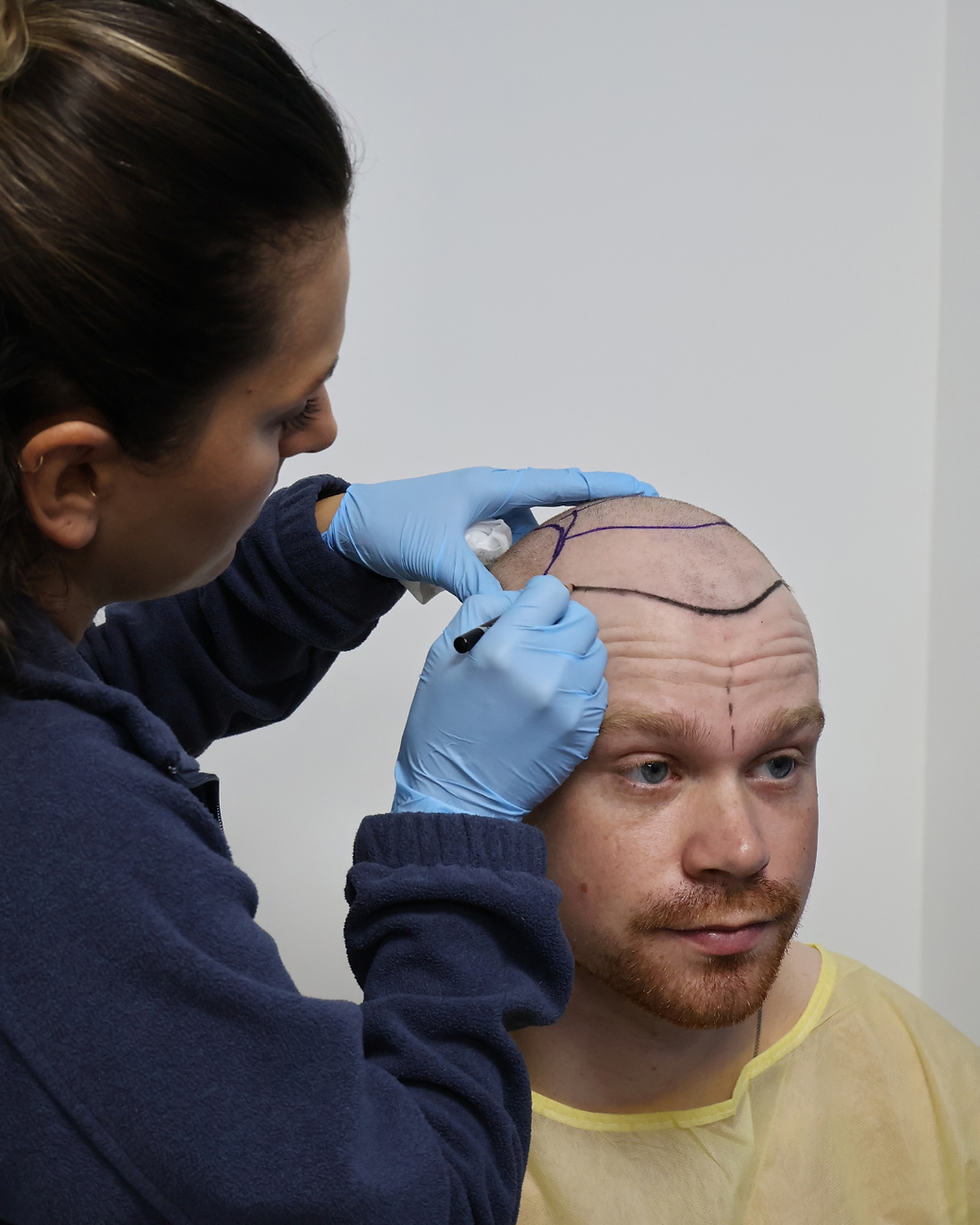
At American Mane, we specialize in Manual FUE hair transplantation, personalized hairline design, and comprehensive hair restoration solutions. Our team is here to help you understand your hair loss and find a treatment plan that works for your individual needs.
🌐 Visit our website: https://www.americanmane.com
📅 Schedule your FREE consultation: https://shorturl.at/Qtkg6


Comments