


How Genetics Really Influence Hair Loss | Hair Loss Experts in Miami & Aventura

If hair loss runs in your family, you may have wondered whether losing your hair is inevitable. Genetics plays a major role in many types of hair loss, especially androgenetic alopecia, commonly known as male or female pattern hair loss. However, genetics does not always determine exactly when hair loss will begin, how quickly it will progress, or how severe it will become.

Hair Loss Genetics Are More Complex Than You Think
Many people have heard that baldness comes only from the mother's side of the family, but that is an oversimplification. Hair loss can be influenced by genes inherited from both your mother and your father. Androgenetic alopecia is considered a polygenic condition, meaning that multiple genes can contribute to your risk. These genes influence how your hair follicles respond to hormones, how quickly they miniaturize, and how your hair loss pattern develops over time.
This is why two brothers can have completely different hairlines even though they share the same parents.
Genetics and DHT Sensitivity
One of the most important genetic factors in pattern hair loss is how sensitive your follicles are to DHT, or dihydrotestosterone. DHT is a hormone derived from testosterone. In people who are genetically susceptible, DHT can attach to receptors in certain scalp follicles and gradually cause them to become smaller. This process is known as follicular miniaturization.
As the follicle becomes smaller, each new hair may grow thinner and shorter until the follicle eventually stops producing visible hair.
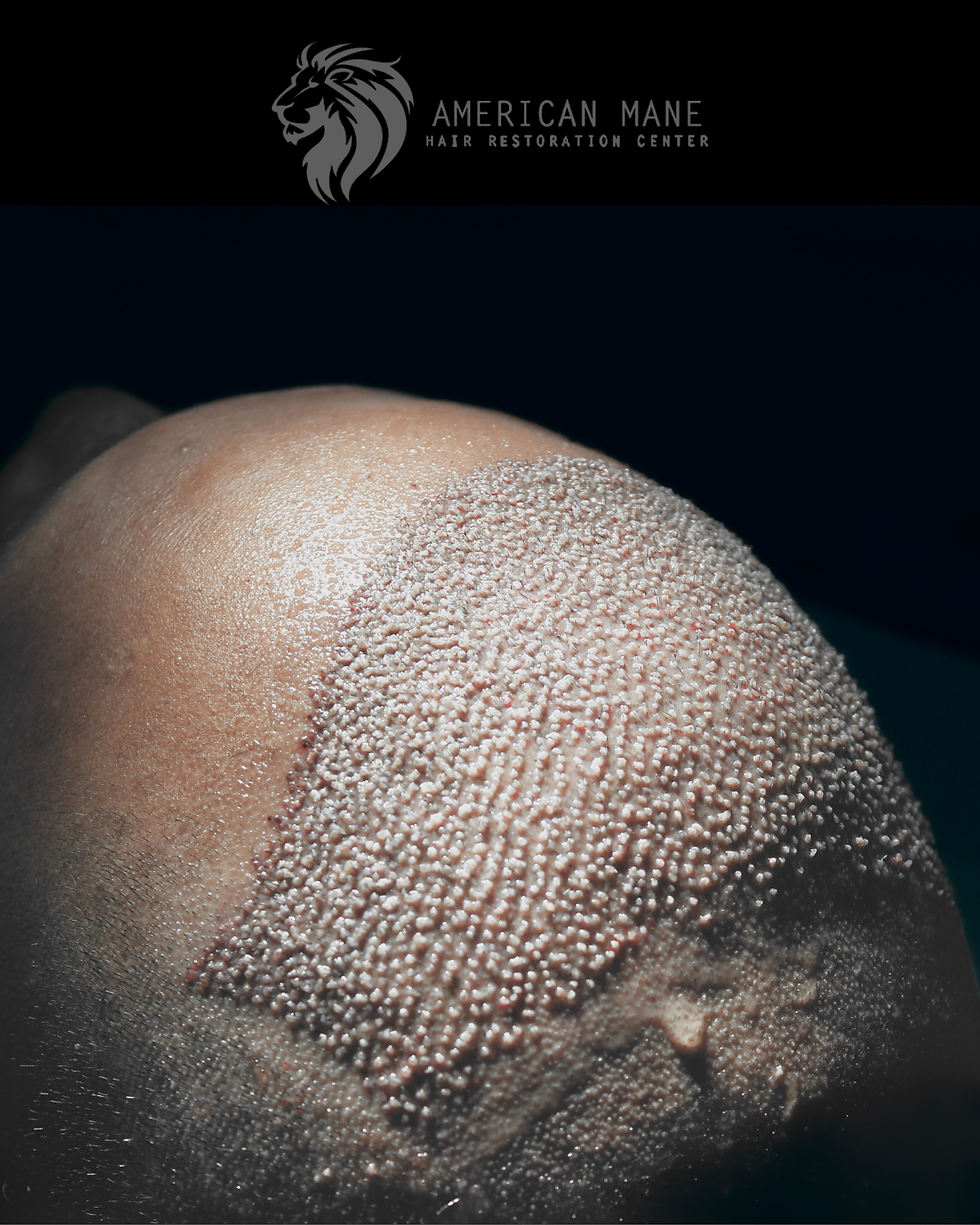
Interestingly, the hair on the back and sides of the scalp is usually more resistant to DHT. This is why these areas are commonly used as the donor zone during a FUE hair transplant.
Your Family History Can Offer Clues
Looking at your family can sometimes provide useful information about how your hair loss may progress.
If your father, brothers, grandparents, or other close relatives experienced significant hair loss at an early age, you may have a greater chance of developing a similar pattern. However, family history is not a perfect prediction. You may inherit different combinations of genes than your relatives, which means your hair loss can begin earlier, later, progress differently, or sometimes remain relatively mild.
Genetics Are Not the Only Factor
Even when someone is genetically predisposed to hair loss, other factors may influence the health and appearance of their hair. Hormonal changes, stress, nutritional deficiencies, certain medical conditions, medications, and aging can all contribute to thinning or shedding. In some cases, a patient may be experiencing more than one type of hair loss at the same time.
This is why assuming that every case of thinning is simply "genetic" can be a mistake. A professional evaluation can help identify what is actually happening.
Why Knowing Your Genetic Pattern Matters Before a Hair Transplant
Understanding how your hair loss is likely to progress is especially important when planning a hair transplant.
A successful transplant should not only address the hair you've already lost. It should also consider what could happen to your natural hair in the future. At American Mane, we evaluate the donor area, current pattern of thinning, age, family history, hair characteristics, and long-term goals before designing a treatment plan. This allows us to use the available donor hair strategically and create a hairline that can continue to look natural as you age.
Can You Do Anything About Genetic Hair Loss?
Having a genetic predisposition does not mean you have to simply watch your hair disappear. Depending on your individual situation, treatment options may be available to help slow the progression of hair loss, support existing follicles, or restore areas where significant loss has already occurred.
For some patients, this may involve medical treatments or PRP. For others with stable hair loss and a healthy donor area, a manual FUE hair transplant may be an appropriate option.
The key is identifying the problem early and developing a personalized strategy.
Genetics can strongly influence hair loss, but your family history does not tell the entire story. Multiple genes, hormone sensitivity, age, health, and other factors can all affect how your hair changes over time. If you're noticing a receding hairline, thinning crown, or loss of density, understanding the cause is the first step toward making an informed decision about treatment.
At American Mane, we provide personalized hair restoration evaluations for patients throughout Miami, Aventura, Hallandale Beach, North Miami Beach, Fort Lauderdale, Boca Raton, West Palm Beach, and all of South Florida.
Ready to Understand Your Hair Loss?
🌐 Visit our website: https://www.americanmane.com
📅 Schedule your FREE consultation today: https://shorturl.at/Qtkg6
Our team can evaluate your hair loss pattern, donor area, and long-term goals to help determine which hair restoration options may be right for you.


Comments